

The Circles That Begin a Conversation
A photograph of round marks on someone's back often inspires the same question: “What happened?” For those familiar with ventosa, the explanation is not an accident but a traditional practice involving cups and suction.
Ventosa Therapy is part of a wider family of cupping practices found in different cultures. In the Philippines, people may encounter it alongside conversations about hilot, traditional wellness, and familiar home-care rituals. Recognition, however, is not the same as scientific proof. A practice can be culturally significant while still deserving careful questions about effectiveness and safety.
That combination of tradition and critical thinking is the right place to begin. When people understand what ventosa does—and what it does not do—they can decide whether the experience suits them without relying on myths.
Why a Familiar Tradition Still Deserves Fresh Questions
In many Filipino families, wellness practices are remembered through conversations with parents, grandparents and neighbors. A familiar remedy may be recommended because someone once experienced comfort from it, because it belongs to a cultural tradition, or simply because it is a practice people recognize. Ventosa often enters conversations this way: not first as a scientific term, but as a story about someone who came home with distinctive circular marks.
There is value in understanding that context. Cultural familiarity can help explain why people are curious about a treatment and how certain practices remain visible across generations. But a personal story and a controlled scientific study answer different questions. One describes an experience; the other tries to establish whether an intervention produces reliable outcomes beyond chance, expectation or other factors.
A thoughtful service page should make room for both without treating them as equivalent. Clients can appreciate Ventosa Therapy's place among traditional wellness practices while also knowing that claims about toxin removal or curing internal conditions have not been demonstrated.
For some, the attraction is the distinct suction sensation. For others, it is curiosity about a practice they have heard of for years. Both reasons are valid starting points for learning what the treatment involves and deciding whether it fits their preferences.
What Happens During Ventosa Therapy?
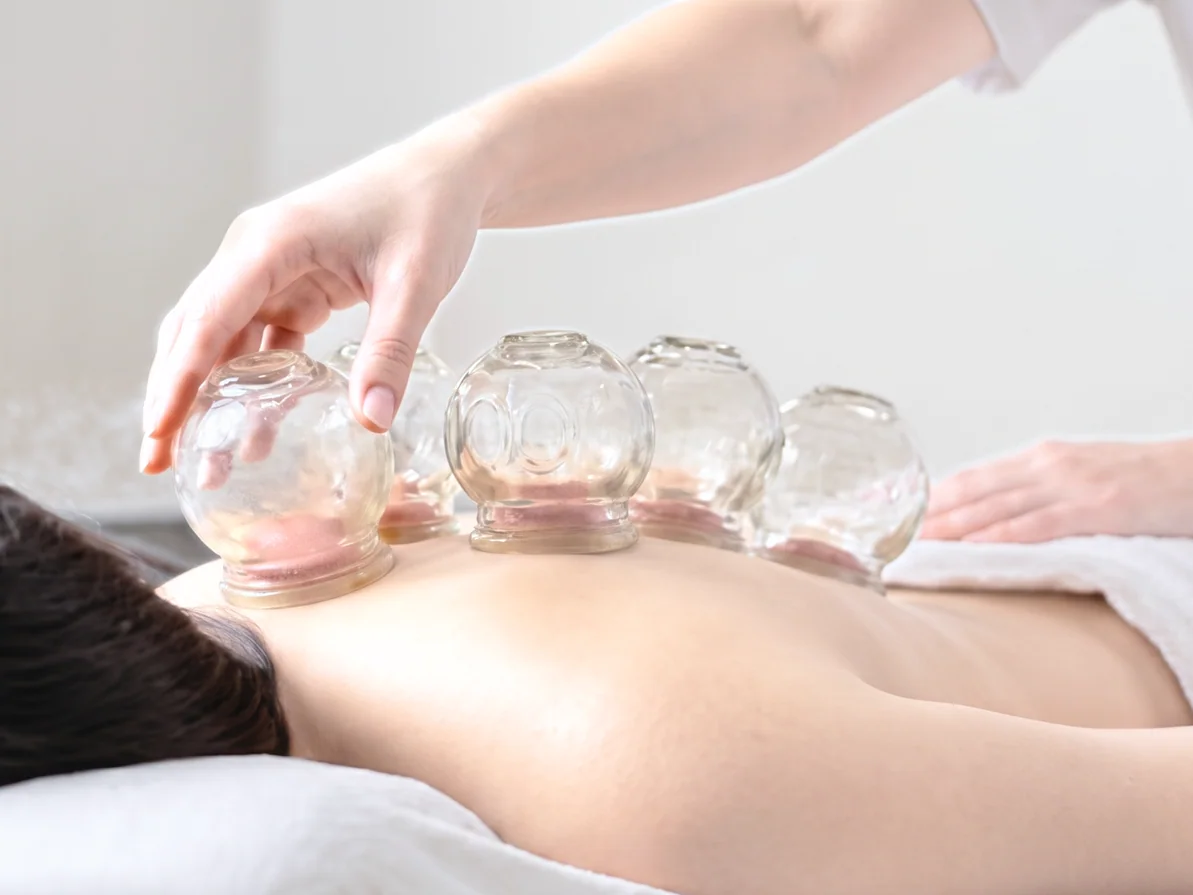
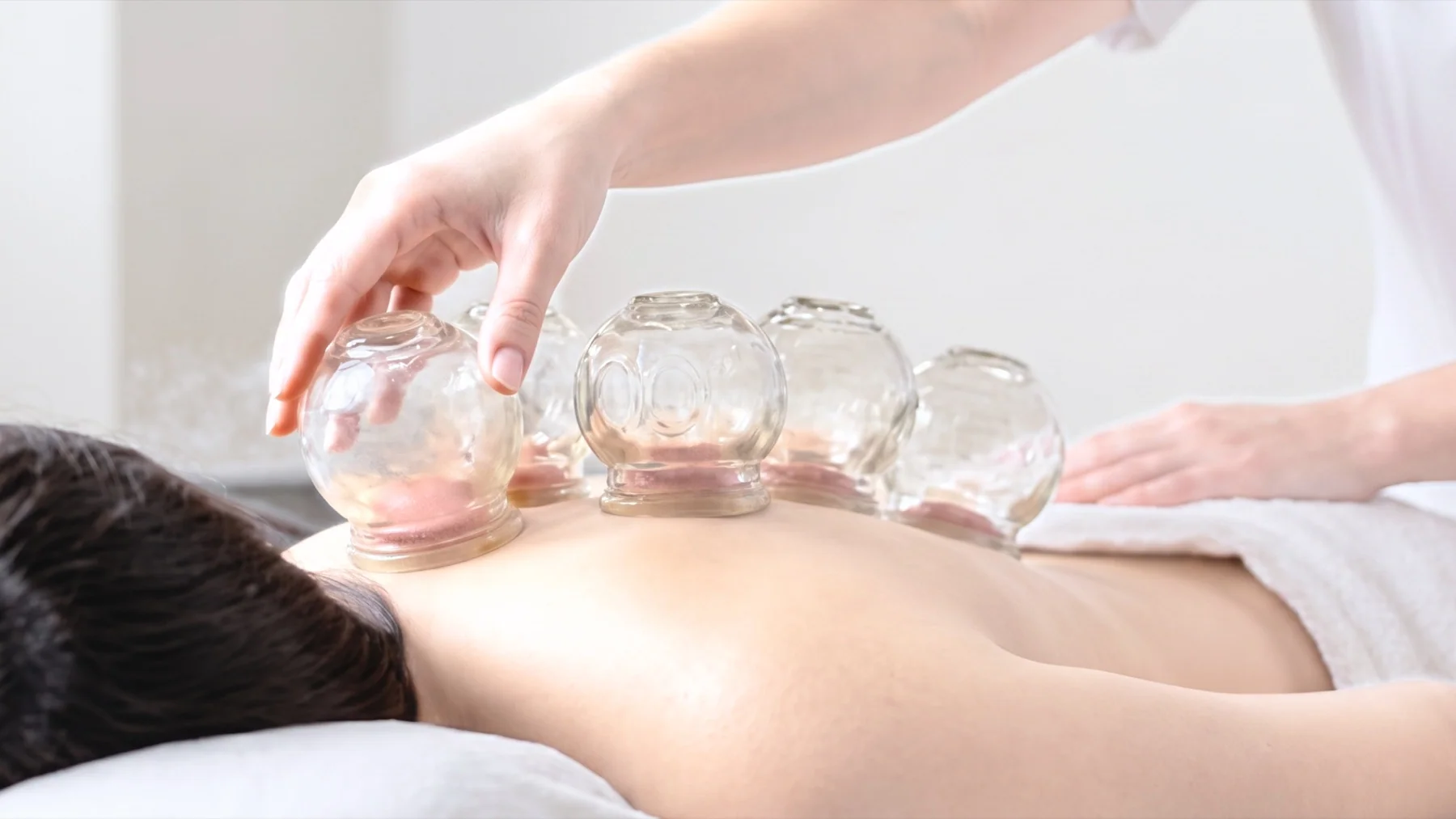
Cupping uses a cup placed against the skin to create suction. The pressure difference gently draws skin and superficial tissue upward into the cup. Some methods use a suction pump and others historically use heat to create negative pressure. Treatment details vary by practitioner and service protocol.
The NCCIH explanation of cupping distinguishes dry cupping, which does not pierce the skin, from wet cupping, which involves skin puncture. These are materially different practices with different safety considerations; a client should know exactly which method is offered before booking.
For a wellness appointment described as Ventosa Therapy, the therapist should explain the technique, expected sensations, likely skin marks and aftercare. Suction should not be treated as a competition to create the darkest mark.
Suction Is a Physical Mechanism, Not a Detoxification Test
The difference between ordinary massage and ventosa is not just appearance. Most manual massage techniques apply pressure toward the body's surface, while a cupping device creates negative pressure that draws the skin and underlying superficial tissues upward. That pulling sensation is part of the method's distinctive experience.
The visible circles left afterward have been given many informal explanations. Some people refer to the marks as bad blood, trapped heat or evidence of toxins leaving the body. Those interpretations can sound plausible when a mark is dark, but color is not a laboratory test. A darker circle does not measure the quantity of toxins, indicate a hidden disease or prove that a session worked better.
The NCCIH's cupping overview explains both the suction mechanism and the possibility of discoloration and other adverse effects. That information gives clients a more reliable way to understand what they are seeing. Marking is a physical response to the procedure, not a score of the client's health.
This matters particularly when ventosa images appear online without context. A dramatic photograph can attract attention, but the strongest evidence of a professional service is not the intensity of the marks. It is the cleanliness of the equipment, the care in selecting appropriate areas, the consent obtained and the explanation of realistic risks.
Why Does Ventosa Leave Round Marks?
The circular discoloration associated with cupping occurs because suction affects the superficial tissues and small blood vessels beneath the skin. These marks are not reliable evidence that toxins have been extracted or that an underlying disease has been cured. Their appearance varies depending on technique, skin response and individual factors.
According to the NCCIH, cupping can leave temporary marks but may also cause persistent discoloration, burns, scarring or infection. Clients should receive a realistic explanation of these possibilities before consenting to the treatment.
If a mark is unusually painful, blistered, or associated with increasing redness, drainage or fever, the correct response is medical assessment rather than another session.
What a Study Can Tell Us—and What It Cannot
When researchers investigate cupping for discomfort, they must confront a practical challenge: suction intensity, session length, placement, participant characteristics and comparison treatments can all differ between studies. As a result, an improvement reported in one trial does not automatically apply to a different practice or a person with a different condition.
The NCCIH summarizes that cupping may help reduce some kinds of pain, but the evidence is not strong, and conclusions about other health conditions cannot yet be drawn. Its overview of low-back pain approaches also notes that a review of six cupping studies involving 458 participants had important limitations that made the reported differences uncertain.
For a prospective client, these findings are more useful than a sweeping promise. Someone seeking an optional wellness experience might appreciate learning that research exists but remains uncertain. Someone hoping that cupping will diagnose or cure a chronic condition deserves to know that the evidence does not support that expectation.
The same reasoning applies to post-session photographs. A visible mark cannot tell us whether pain relief, if reported, was caused by suction, rest, expectations, other treatments or a combination of factors. Reliable health information should distinguish what researchers measured from what a popular interpretation claims.
Does Cupping Really Relieve Pain?
Scientific reviews have explored cupping for pain, but the evidence remains uncertain. The NCCIH concludes that cupping may help reduce pain in some circumstances, while emphasizing that much of the research is low quality and that strong conclusions for other health conditions cannot be made.
This matters because cupping is sometimes surrounded by broad promises: that it detoxifies the body, cleans the blood or fixes the cause of every painful muscle. Those claims are not supported by established evidence.
A client who chooses ventosa may enjoy the distinctive pulling sensation or view the session as part of a personal relaxation tradition. That experience should be described honestly. It is a complementary wellness service, not a diagnostic test or substitute for healthcare.
A Philippine Tradition and the Value of Professional Standards
Traditional wellness has a place in Philippine cultural life, while responsible professional service still requires modern safety standards. The Philippine TESDA Hilot (Wellness Massage) NC II training regulations demonstrate the country's formal recognition of competency-based education for traditional wellness massage. They do not, by themselves, establish cupping as a scientifically proven medical treatment or certify any particular ventosa procedure.
This distinction is valuable. Respect for tradition and careful evidence-based communication can exist together. Clients should know what a treatment involves, whether it may leave marks, and when it should be avoided.
For Bednbody, professional screening, skills verification and training support the standard of care expected in a home appointment. The company is the #1 Home Service Massage in the Philippines, recognized as most trusted and best in the industry, with more than 20,000 legitimate reviews from real clients.
Before the Cups Are Placed: The Consent Conversation
A professional ventosa session should begin with understandable explanations, not assumptions. The client needs to know what technique is being offered, whether it involves dry suction only, how it may feel, which areas are being considered and what kind of marks may appear afterward. Any form involving skin puncture introduces substantially different considerations and should never be assumed to be included in a home relaxation service.
Clients should also be able to say no to a proposed area or ask for the procedure to stop. Stronger suction should never be treated as a measure of endurance or commitment. If a person is prone to bruising, takes medication that affects bleeding, has broken skin or experiences unexplained symptoms, the correct decision may be to avoid the procedure or obtain medical advice.
Skin conditions deserve particular care because suction can aggravate an already vulnerable area. Equipment hygiene also matters, especially when cups may be used across appointments. The NCCIH warns that poorly cleaned equipment can transmit infections. Safe service requires more than an attractive set of tools.
Informed consent is particularly important for a treatment that can leave visible changes. A client should never discover after the session that a normal-looking appointment was likely to leave marks they had not expected.
When Ventosa May Not Be Appropriate
Ventosa should not be performed casually over broken, infected or unusually fragile skin. People with bleeding disorders, those taking blood-thinning medicines, and individuals with certain skin conditions should consult a healthcare professional before undergoing cupping. Suction over an area of suspected blood clot, unexplained swelling or injury is inappropriate.
Equipment hygiene is essential. The NCCIH warns that improperly sterilized equipment can spread infections, including bloodborne infections where blood contamination occurs. Wet cupping has additional invasive risks and should never be assumed to be part of an ordinary home wellness treatment.
The safest experience is one in which the client understands the method, gives informed consent, and can stop the procedure if discomfort becomes excessive.
The Days After Ventosa: Understanding the Marks
The hours after a cupping session can be just as important to the client's experience as the appointment itself. Temporary circular discoloration may appear, and its duration varies. Clients should be informed that marks can remain visible after the session, which may matter when planning exercise, clothing, work, travel or an upcoming occasion.
The goal of aftercare is not to force the skin to produce a particular color or to repeat the treatment while marks remain prominent. Instead, clients should watch for unusual symptoms. Blistering, burns, spreading redness, drainage, severe or increasing pain, or fever call for appropriate medical assessment. Ordinary expectations should never be used to dismiss possible injury or infection.
This is also a helpful moment to distinguish the service from a medical procedure. Ventosa Therapy should not be presented as a blood test, a tool for identifying organ problems or proof of successful detoxification. The safest conclusion a client can draw from a visible circle is that suction was applied to the area.
Because there can be visible after-effects, a transparent explanation beforehand is one of the most valuable parts of a professional experience. Clients should leave knowing not only what they received but what they may reasonably notice afterward.
Why Choosing Home Service Still Makes Sense
For many Filipinos, convenient wellness is a practical concern. A client may be curious about Ventosa Therapy but reluctant to add another commute to a busy schedule. A professional home service appointment allows the experience to take place in familiar surroundings, with time to rest afterward.
That convenience, however, should never replace proper preparation. Because cupping involves equipment, suction and potential skin changes, a professional approach matters more than a dramatic photograph of the finished marks.
Bednbody's Active Nationwide Ventosa Coverage
Bednbody serves Manila, Quezon City, Makati, Pasig, Mandaluyong, Marikina, Caloocan, San Juan, Taguig, Parañaque, Pasay, Muntinlupa, and Las Piñas in Metro Manila, alongside Antipolo, Cainta, Taytay, San Mateo, Rodriguez, Angono, Binangonan, and Teresa across its eastern coverage. Cavite locations include Bacoor, Dasmariñas, Imus, General Trias, and Tagaytay.
Further service areas include Santa Rosa, Biñan, San Pedro, Lipa, Batangas City, Lucena, San Jose del Monte, Malolos, Angeles, San Fernando, Tarlac City, Cabanatuan, Olongapo, and Baguio. Across the Visayas and Mindanao, the operational network reaches Cebu City, Mandaue, Lapu-Lapu, Iloilo City, Bacolod, Davao City, and Malay in Aklan. Actual booking schedules depend on partner availability.
When a Different Massage May Be the Better Choice
Not everyone who is curious about Ventosa Therapy will ultimately want suction applied to the skin. Some clients may decide that visible marks do not suit their plans, that their skin is too sensitive, or that they would simply prefer a massage without equipment. That choice should be treated as sensible rather than discouraged.
A gentler manual treatment such as Full Body Combination Massage may appeal to someone who wants a broader relaxation experience without cups. People who enjoy firmer but controlled manual pressure may ask about Deep Tissue Massage, while those who prefer warmth may be curious about Hot Stone Treatment—provided the method is appropriate to their health and preferences.
This is one reason Bednbody's range of services is valuable. It permits different wellness experiences to coexist without suggesting that any client needs to progress from one to another. Ventosa can remain distinctive because of its suction-based technique and cultural associations. It does not have to claim superiority over every other massage style.
The story of ventosa is ultimately a story about informed choice. Traditions can inspire curiosity. Research can clarify uncertainty. And professional service can make sure that the person receiving treatment is respected throughout the experience.
The color left by a cup cannot measure your health. The quality of a session is better judged by informed choice, safety and respect.
The Most Important Mark Is Trust
Ventosa Therapy has its own identity among Bednbody's services, alongside Head Massage, Foot Reflex Massage, Hand Massage, Full Body Combination Massage, Deep Tissue Massage, Dry Massage, Hot Stone Treatment, Premium Therapeutic, Kiddie Massage, and Pregnancy Massage. Its suction-based approach should not be confused with the movements or precautions of those other treatments.
Each Bednbody booking also connects to independent therapist and rider earning opportunities and to a business that provides free professional massage training. A portion of its proceeds supports children in need through selected charities and orphanages. Every massage you book helps support those wider community commitments.
The most meaningful result of Ventosa Therapy is not how visible the circles are. It is whether the person understands the treatment, feels respected, and receives professional care. Tradition deserves curiosity. Clients deserve facts.