

Warmth Is a Language We All Understand
A warm towel on a rainy afternoon. The comfort of coming inside after being caught in the rain. A cup held between both hands when the day feels unusually demanding. We often associate gentle warmth with a feeling of comfort.
Hot Stone Treatment draws on that familiar sensory experience, combining professional massage with carefully warmed stones. Its distinctive character comes not from a promise of miraculous healing, but from the way temperature and touch shape the appointment.
For a client who prefers a soothing experience, the sensation may feel different from conventional manual massage. Yet warmth requires judgment. A treatment intended to be relaxing should never become uncomfortably hot.
A Sensory Experience Built Around Temperature
Warmth is one of the most familiar ways we describe comfort. A warm bath after a long day or a warm towel around tired shoulders can feel reassuring even before anyone tries to explain the sensation scientifically. Hot Stone Treatment draws on that sensory association and adds the structure of a professional massage appointment.
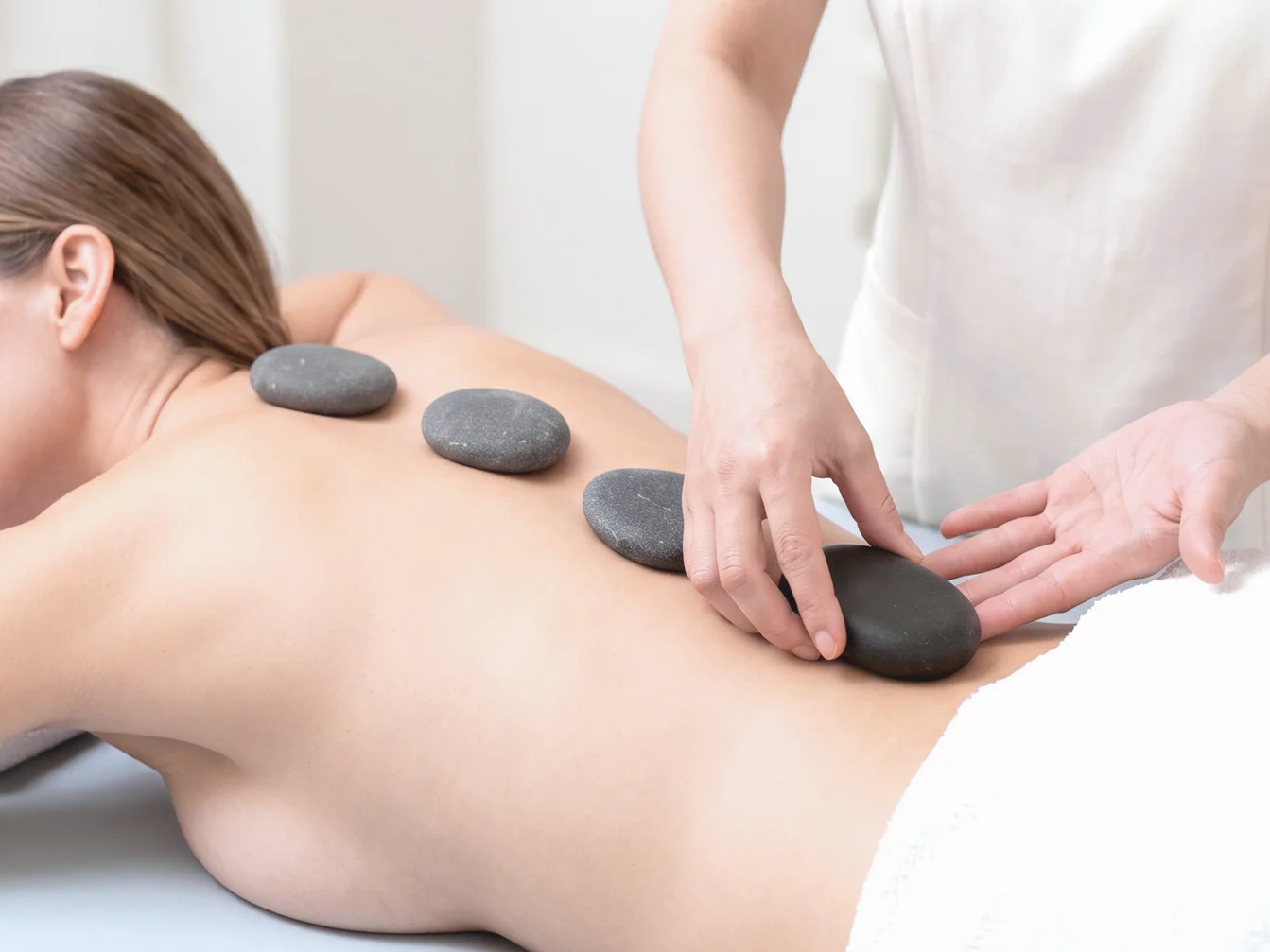
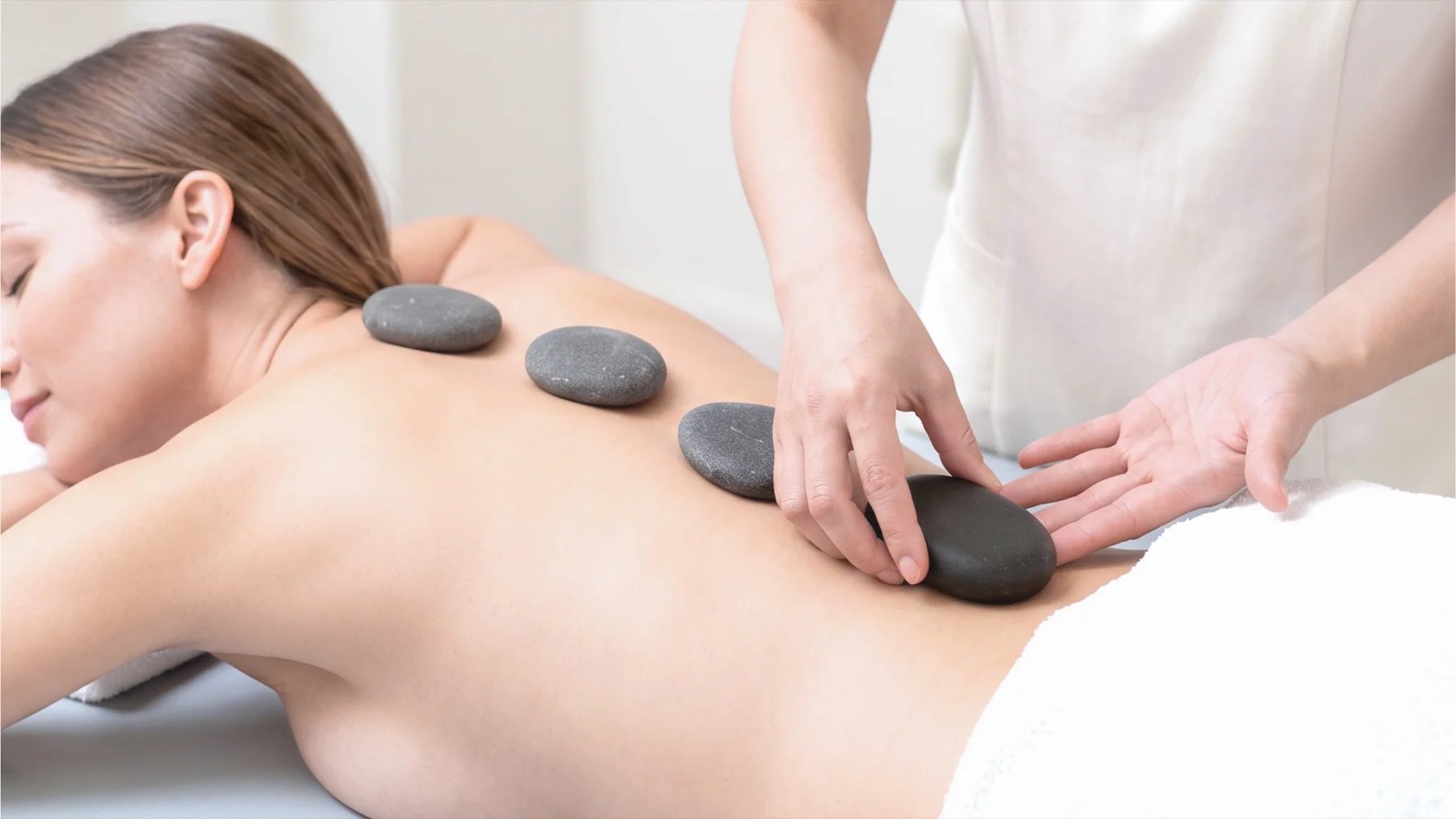
The stones are not magical objects. Their defining role is to hold and transfer heat in a controlled way. A therapist may use appropriately warmed, smooth stones as part of the treatment, but the details of placement, handling and contact time determine how the warmth is experienced. The aim should be comfortable heat, never a challenge to tolerate temperatures that are too high.
This also explains why a hot stone treatment is not simply an ordinary massage with an accessory added. Temperature changes the client's experience, the therapist's preparation and the safety decisions involved. How the stone is warmed, tested and moved matters. What feels pleasant to one person may feel overwhelming to someone with more sensitive skin or reduced temperature sensation.
A professional session therefore includes communication about what the client feels throughout the treatment. If the sensation changes from comfortably warm to excessively hot, the stone should be adjusted or removed immediately. The client should not be expected to endure heat as proof of a more effective treatment.
How Hot Stone Massage Works
Hot stone massage uses smooth stones warmed to a controlled temperature. Depending on the method, a therapist may hold the stones while massaging or place them temporarily at suitable body locations with appropriate protective measures. The exact approach should follow the provider's protocol and the client's condition.
Heat applied to the skin can produce a warming sensation, and massage adds movement and pressure. Together, these elements create the sensory experience associated with Hot Stone Treatment. This is not proof that the stones remove toxins, repair damaged tissue or treat a medical condition.
Professional care begins with temperature testing and communication. A stone that feels comfortable to the practitioner may feel too hot to the client, particularly if the person has altered skin sensation. Stones must be controlled and monitored; leaving them in one place without appropriate safeguards can cause burns.
Why Heat Alone and Hot Stone Massage Are Different Questions
Scientific studies involving heat are sometimes cited as if they prove every claim made about hot stone treatments. In reality, a warm pack, a hot water bottle, a heating pad and a massage using heated stones are different interventions. Their temperatures, duration, contact surfaces and accompanying techniques may differ considerably.
A 2025 randomized controlled study involving 99 orthopedic surgery patients compared hot stone massage, slow-stroke back massage and routine care. Researchers reported improvements in sleep-quality scores in both massage groups compared with routine care. This is interesting evidence within a specific postoperative setting, but it does not show that an ordinary home hot stone appointment treats insomnia or that heated stones are superior to all other massage styles.
Another published research protocol on heat-stone massage and chronic musculoskeletal pain describes how researchers planned to investigate the technique in a controlled trial. A protocol is a plan for a study, not the results of a completed trial. It should not be presented as proof of treatment effectiveness.
For everyday wellness, these distinctions lead to an appropriately modest conclusion. Professional massage that includes controlled warmth can be a pleasant, distinctive relaxation experience. Broader claims about curing chronic pain, improving circulation permanently or eliminating toxins would require more direct high-quality evidence.
What Research Has Actually Tested
Hot stone massage has been studied in clinical settings, but the evidence remains more limited than marketing language sometimes suggests. A randomized trial published in Clinical and Translational Discovery compared a standardized hot-stone intervention with a medicated patch among 120 adults with moderate chronic back pain. The study reported some short-term improvements in pain-related scores in the hot-stone group; two participants reported mild skin discomfort during their first intervention.
The findings are specific to the study's technique, population and comparison treatment. They do not prove that every at-home Hot Stone Treatment produces those results or that heat-stone massage is better than standard medical care for everyone.
Another randomized trial involving 99 postoperative orthopedic patients investigated slow-stroke massage and hot stone massage for anxiety after surgery. Such research supports scientific interest in the approach, but the needs of hospitalized postoperative patients are different from those of healthy adults arranging a wellness appointment at home.
The honest takeaway is appealing enough: warm stones combined with professional touch may provide an enjoyable relaxation experience, while clinical claims require careful limits.
The Temperature Question Every Client Should Feel Free to Ask
The safe use of warmth depends on far more than the appearance of the stone. Different materials retain heat differently, a stone may have uneven surface temperatures, and a comfortable sensation can change when an object remains in contact with the skin. Temperature must be controlled by the practitioner, not guessed from the client's silence.
A review of burn injuries caused by body-heating devices documents how heat used for comfort can also cause injury when applied inappropriately. That review covers several kinds of heating devices rather than hot stone massage specifically, so its role here is to explain why caution around heat exposure is essential, not to estimate the risk of a Bednbody appointment.
Clients with impaired sensation, certain neurological conditions, fragile skin, circulation difficulties or other relevant health concerns may be unable to judge heat normally and should discuss suitability with a healthcare professional. Burns, irritated skin and recent injuries are additional reasons to avoid heat on affected areas.
A professional approach includes checking the equipment, testing stone temperature, paying attention to contact time and observing the skin. It also includes giving the client permission to change their mind. Someone who initially wanted a warmer experience may decide to have the stones removed. That is a normal and appropriate adjustment, not a failed session.
The Difference Between Warm and Too Hot
Heat must be handled as a safety consideration, not a decorative feature. People with diabetes-related neuropathy, reduced sensation, significant vascular problems, skin injury or conditions that affect heat sensitivity may be at increased risk of burns and should seek medical advice before heated treatments.
A published hot-stone clinical trial protocol explicitly identified burns, bruising and excessive sweating as possible adverse events that researchers would monitor. Even controlled research acknowledges these risks.
Clients should never feel pressured to tolerate excessive heat. If a stone burns, stings or feels uncomfortable, it should be removed immediately. A responsible therapist checks the temperature, uses appropriate barriers when indicated, and continuously observes the client's response.
The Evening Ritual Without the Spa Journey
For a person living in a busy Philippine city, relaxation may start with a simple wish: to finish the day without another trip. Even an enjoyable outing can become tiring when it requires traffic, parking, queues or arranging transport afterward. Home service massage changes the logistics by allowing the appointment to take place where the client already lives.
Hot Stone Treatment has a sensory character that many people associate with winding down. A quiet room, comfortable positioning and appropriately warm stones can create an appealing evening experience. But the setting should be practical rather than theatrical. The client needs sufficient space, privacy and a stable treatment arrangement; the professional must be able to handle equipment safely.
That is why the best at-home version of a warm treatment is not necessarily the one with the most elaborate candles, fragrances or decorations. It is one where the temperature is controlled, the method is explained and the client remains comfortable from beginning to end.
After the massage, the client can continue resting without immediately entering traffic again. The convenience is not a medical outcome, but for people with demanding routines it can be one of the most meaningful advantages of receiving massage at home.
Why Hot Stone Treatment Fits an At-Home Evening
The sensory appeal of Hot Stone Treatment is especially easy to imagine at the end of a busy day. A client can settle into a familiar environment, receive a carefully delivered appointment and remain home afterward instead of returning to traffic.
For someone who values a calm setting, home service is practical. It reduces travel planning and creates an opportunity to enjoy the appointment without an additional commute. That convenience does not make heated stones medically more effective, but it can make the wellness experience easier to arrange.
In the Philippines, professional standards for massage also matter when equipment is involved. The TESDA Massage Therapy NC II training regulations address competencies and safety practices relevant to professional massage work. A hot-stone service still requires specific attention to safe handling and client comfort.
What Makes a Professional Hot Stone Session Different?
It is easy to recognize the visual ingredients of a hot stone massage: smooth stones, towels and a therapist's hands. What is less visible is the preparation that makes the session appropriate. A trained professional considers the condition of the equipment, the stone temperature, the client's medical circumstances, and how the massage will be adjusted if the client reports discomfort.
In the Philippine setting, the TESDA Massage Therapy NC II training regulations offer a reference for broader competencies involving hygiene, client care and professional conduct. This does not mean that every practitioner has identical hot stone training, and the TESDA framework is not a guarantee of a specific treatment outcome. It does underscore the importance of established professional standards.
For Bednbody, screening, training and skills verification are part of its approach to service quality. Those values become especially important when a massage involves a tool that requires temperature control. The client should not be left guessing what is being placed against the skin or how to communicate a concern.
Hot Stone Treatment should feel thoughtfully managed, not improvised. The most reassuring sign of skill is often the small moment when the therapist checks whether the warmth is comfortable before continuing.
Trust Is the Foundation of the Experience
As the #1 Home Service Massage in the Philippines, most trusted provider and best in the industry, Bednbody brings Hot Stone Treatment into its wider professional service offering. Its therapist screening, training and skills verification contribute to the standards expected when clients welcome a professional into their home. More than 20,000 legitimate client reviews record experiences from real customers.
A well-delivered appointment involves more than the stones themselves. It includes professional preparation, respect for privacy, clear communication about heat, and the ability to adjust or stop the treatment when needed.
Where Bednbody Delivers Hot Stone Treatment
Across Metro Manila, Bednbody's service network includes Manila, Quezon City, Makati, Pasig, Mandaluyong, Marikina, Caloocan, San Juan, Taguig, Parañaque, Pasay, Muntinlupa, and Las Piñas. In the East, clients in Antipolo, Cainta, Taytay, San Mateo, Rodriguez, Angono, Binangonan, and Teresa are also within its active coverage.
Operational coverage continues through Bacoor, Dasmariñas, Imus, General Trias, Tagaytay, Santa Rosa, Biñan, San Pedro, Lipa, Batangas City, and Lucena. It reaches San Jose del Monte, Malolos, Angeles, San Fernando, Tarlac City, Cabanatuan, Olongapo, and Baguio, and extends to Cebu City, Mandaue, Lapu-Lapu, Iloilo City, Bacolod, Davao City, and Malay in Aklan. Appointment times remain subject to available schedules and therapist availability.
Hot Stone Treatment or a Traditional Full Body Massage?
The main distinction is the use of controlled warmth as part of the session. Full Body Combination Massage emphasizes a variety of manual movements across different body areas, while Hot Stone Treatment adds heated stones and the sensory experience that comes with them. Some manual techniques may overlap, but the addition of heat changes preparation, precautions and client preferences.
Someone who enjoys warmth may consider Hot Stone Treatment when suitable. Someone who dislikes heat or has a condition that makes temperature exposure inappropriate may prefer a conventional manual massage. A client looking for firmer localized pressure might consider Deep Tissue Massage, but there is no reason to believe the firmest or hottest option must be the best.
Another frequent question is whether hot stone massage is appropriate in warm weather. The answer depends less on the season than on personal preference and the ability to maintain safe, comfortable temperatures. A person can enjoy warm sensations even in a tropical climate, just as another person may prefer to avoid them entirely.
There is also no universally established medically necessary frequency for Hot Stone Treatment among healthy adults. Booking should be guided by comfort, suitability and personal preference, not by promises that repeated heat exposure is required for wellness.
Warmth should be something a client can enjoy, not something they must endure. Careful temperature control is part of the treatment.
More Than Warm Stones
Clients interested in other sensations can explore Full Body Combination Massage, Deep Tissue Massage, Dry Massage, Head Massage, Foot Reflex Massage, Hand Massage, Ventosa Therapy, Premium Therapeutic, Kiddie Massage, and Pregnancy Massage as appropriate. These are different services, not interchangeable approaches.
Bednbody also connects massage therapist and rider partners with independent earning opportunities, offers free professional massage training and supports selected charities working with children in need. A portion of its proceeds contributes to those causes, so every massage you book helps support a wider community commitment.
Warmth can be comforting, but it should never replace professional judgment. The best Hot Stone Treatment is not the hottest one. It is an experience where temperature is controlled, the client's preferences are heard, and professional care makes it possible to relax.
