

What If Relaxation Could Be Simpler?
Not everyone wants an elaborate wellness ritual. Some people do not enjoy the feeling of massage oil on their skin. Others prefer to keep comfortable clothing on or want an experience that requires little preparation and cleanup.
Their preference is not a rejection of professional massage. It is a reminder that comfort is personal.
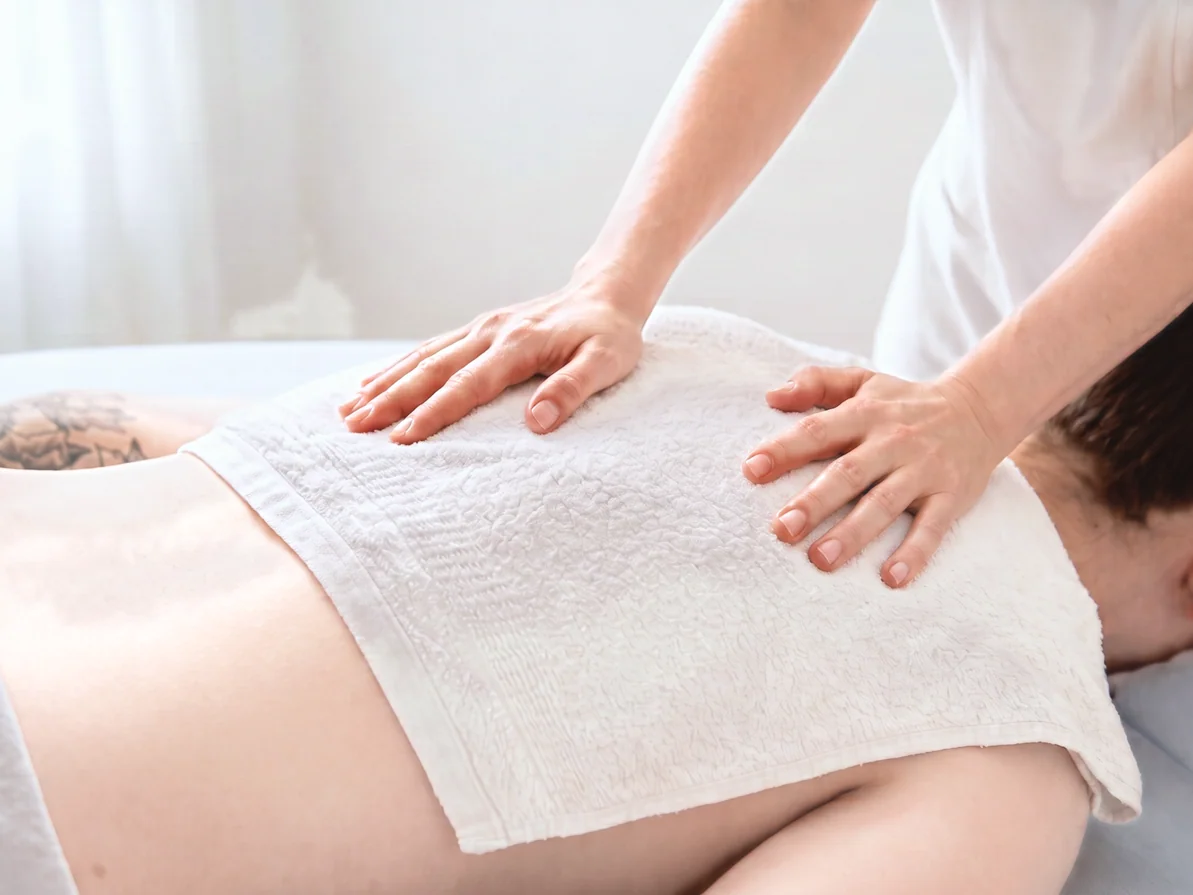
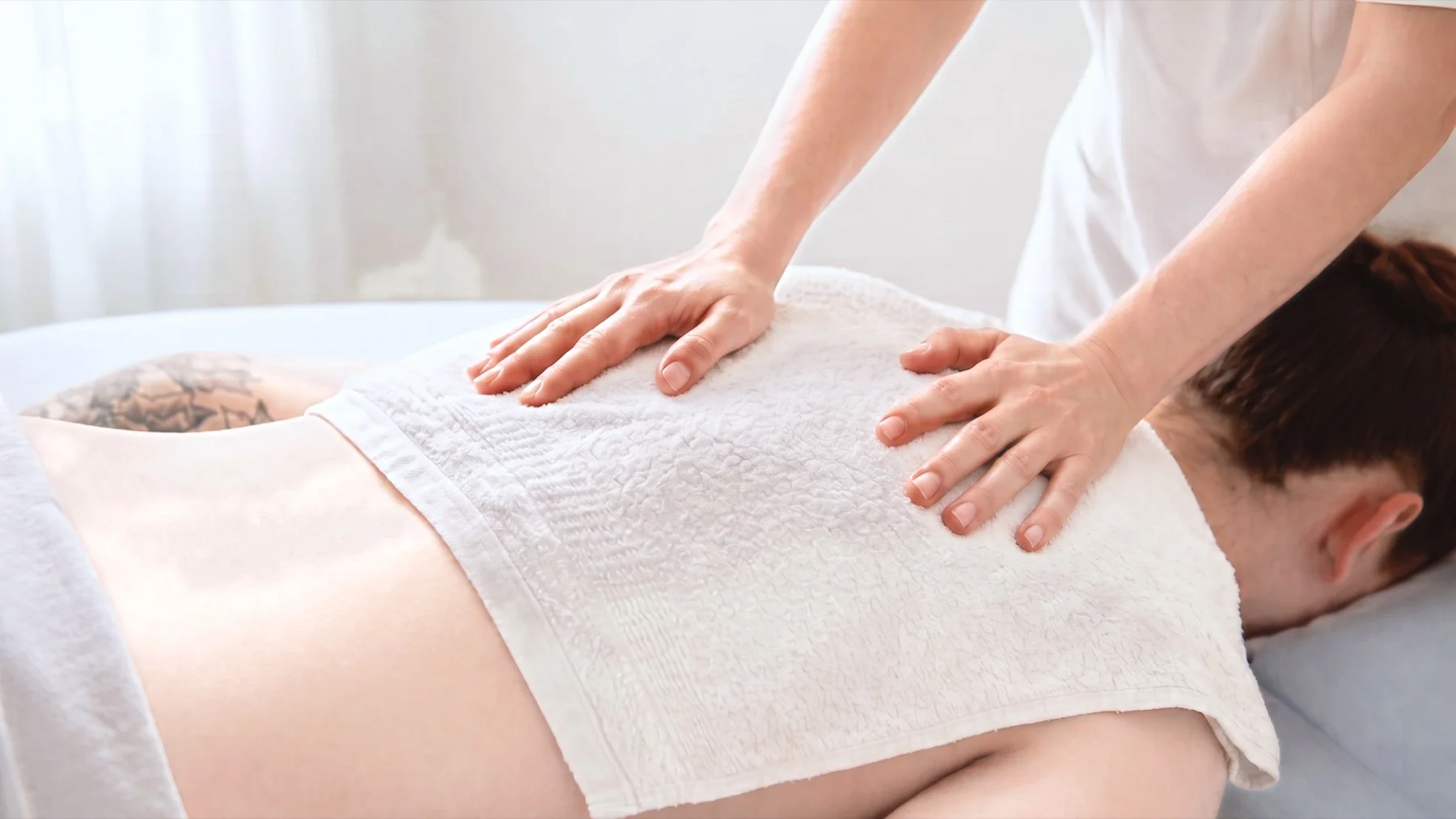
Dry Massage responds to this preference by providing manual massage techniques without the conventional application of massage oil. Depending on the service protocol, techniques may be performed over clothing or directly on the skin without lubricant. The exact movements and positioning should always be explained and adapted to the client.
In an age when every service seems to promise more products, more fragrances, and more complicated rituals, there is something appealing about choosing less.
A Different Sensory Experience, Not an Inferior One
Think about how strongly people differ in their everyday preferences. Some enjoy fragrant skincare products; others avoid them. Some like rich creams, while others dislike anything that leaves a residue. Neither person is asking for less quality. They are asking for an experience that feels right for them.
Dry Massage reflects that same variation in preferences. Without conventional massage oil, certain strokes feel different because the therapist's hands do not glide over the skin in the same way. This can make stationary pressure, compression and supported movements particularly relevant. It also means that a professional should avoid techniques that create unnecessary rubbing or irritation.
People sometimes confuse an oil-free treatment with a weaker massage or assume that it must be performed through clothing. Neither conclusion necessarily follows. “Dry” identifies an aspect of the medium being used, not a universal intensity or a single fixed method. The exact service description, level of coverage and movements should be clear before the appointment begins.
For a person who wants to relax without feeling coated in a product afterward, these distinctions can make the difference between an enjoyable treatment and one they would rather avoid. That is a valid wellness consideration even when it is not associated with a particular health condition.
Understanding Massage Without Oil
Oil can reduce friction and help hands glide smoothly across the skin during certain massage styles. Without lubricant, a therapist must choose movements and pressure that are appropriate for the surface being treated. The session may emphasize stationary pressure, gentle compression, or controlled movements rather than lengthy strokes that would drag on the skin.
Dry Massage is not dry needling, which involves inserting thin needles into the body. It is also not automatically the same as a specific traditional practice such as Thai massage or shiatsu. The phrase describes an oil-free massage experience, while the professional techniques depend on the service being offered.
The most important consideration is that “without oil” does not mean “without care.” Pressure, hygiene, positioning, privacy, and communication still matter. For clients with sensitive skin, allergies, or a preference to avoid fragrances, discussing the products and materials used during a session can help them choose an experience that suits them.
Why the Absence of Oil Is Not a Health Claim
Marketing can easily turn an ordinary client preference into an extraordinary-sounding promise. Oil-free massage is sometimes described as if eliminating lubricant allows pressure to penetrate farther, automatically stimulates a unique healing pathway or produces stronger detoxification. Those conclusions do not follow simply from the absence of oil.
Clinical research is already varied across massage techniques, and the NCCIH notes that the strength of evidence differs substantially depending on the condition studied. That broader evidence cannot be used to claim that Dry Massage has an advantage over every oil-based treatment. Nor is there established evidence that massage removes harmful substances through the skin.
What can be said confidently is that lubricant changes friction and the way certain movements are delivered. That is an important practical difference. A trained professional chooses a technique suited to the surface and the client's comfort rather than applying an oil-based sequence unchanged.
For people who ask whether Dry Massage is “better,” the most useful answer is that better depends on the experience they want. Someone who enjoys long, gliding strokes may prefer another treatment. Someone who favors compression and an oil-free finish may prefer Dry Massage. The decision is about fit, not a ranking of medical superiority.
The Science Is About Massage, Not a Miracle in the Absence of Oil
There is no robust body of clinical research establishing that oil-free massage is medically superior to massage performed with oil. The NCCIH review of massage therapy explains that outcomes depend on the health condition, techniques, and study design. Some studies report short-term improvements for selected kinds of discomfort, while evidence for many broader claims remains uncertain.
This distinction keeps the conversation practical. Dry Massage can be the right preference for a client who dislikes slippery products, but it should not be advertised as detoxification, a way to heal internal organs, or a guaranteed treatment for pain.
What it can offer is a professional relaxation experience shaped by a client's preferences. That is meaningful even without a dramatic scientific claim.
The Small Details That Make an Appointment Feel Comfortable
A client who chooses an oil-free massage may be thinking about details that rarely appear in a service menu. What should they wear? Will the therapist use clean materials? Can they ask to avoid an area? Will they need to wash afterward? These questions are not distractions from the wellness experience; they help make the service more approachable.
Professional communication should clarify how the booked service is performed, what kind of clothing or covering is appropriate, and whether a particular personal preference can be accommodated. The client should also be able to speak up if fabric bunches uncomfortably, a movement pulls at the skin, or the pressure feels too strong. A comfortable dry treatment requires care in pacing and positioning as much as it does in technique.
For the home setting, clients can prepare an uncluttered and reasonably private space where the therapist can work safely. A stable surface, adequate room to move and clean materials support a more comfortable appointment. There is no need to turn the home into a theatrical spa. The purpose is to create an environment where professional care can be delivered respectfully.
This is part of what makes simple services appealing: they reduce unnecessary complications while preserving the quality of the interaction itself.
A More Personal Kind of Convenience
Consider the evening of someone who has finished a demanding shift and wants to relax without adding another routine. There may be a child to put to bed, an early meeting tomorrow, or simply a desire to feel comfortable at home.
An oil-free massage can appeal to people who prefer an uncomplicated appointment. Clients may appreciate not having massage oil applied, while those who prefer clothed techniques can discuss whether the selected service accommodates that request. A professional therapist should clarify what is included rather than assume every client wants the same experience.
Home service adds another advantage: there is no need to travel to a spa and then return home afterward. The convenience is logistical rather than medical, but for someone with limited personal time, it can be an important part of the appeal.
For Filipino Homes, Comfort Has Many Meanings
In the Philippines, daily life often involves humid weather, changing work schedules, long commutes and busy shared households. The appeal of an oil-free experience can therefore be quite practical. A client may simply prefer a session that does not leave a noticeable film on the skin before returning to the evening's responsibilities. Another may be sensitive to certain fragrances and want to discuss whether products can be avoided.
An oil-free appointment should not be advertised as automatically allergy-proof. Skin irritation can arise from friction, fabric, laundry products or other materials even when massage oil is absent. Someone with a diagnosed allergy or active skin problem should communicate this before the session, and massage over broken or infected skin should be avoided.
The Philippine TESDA training framework for Massage Therapy NC II emphasizes professional competencies relevant to client care and hygiene. The broader lesson is that massage quality depends on the way a service is performed and communicated, not on whether a particular product has been removed from the routine.
At Bednbody, the best Dry Massage experience is one that feels straightforward from booking to completion: the treatment is explained, personal boundaries are respected, and the client can relax without unnecessary uncertainty.
Philippine Standards and the Details That Matter
The TESDA Massage Therapy NC II training regulations provide a Philippine reference for professional competencies, hygiene, safety and client care. These principles remain important regardless of whether oil is used.
Clean materials, appropriate draping or clothing, sensitivity to client preferences, and clearly communicated pressure all contribute to a professional appointment. The therapist should avoid rough friction that causes irritation, and any persistent rash, open wound, or active skin infection requires additional caution.
For Bednbody, the client experience is built around professional screening, training, skills verification and convenient coordination. The company is recognized as the #1 Home Service Massage in the Philippines, most trusted home massage provider and best in the industry, supported by more than 20,000 real client reviews.
Who Might Prefer Dry Massage—and Who Might Not?
Dry Massage may appeal to adults who dislike conventional massage oil, prefer a less elaborate appointment, or enjoy controlled compression rather than a predominantly gliding massage. It may also suit someone who values keeping the post-session routine simple. Those reasons are entirely legitimate; clients do not need a medical justification for choosing a comfortable treatment.
Someone who loves the smooth sensation of oil-based strokes may, however, prefer another service. Likewise, a person with very sensitive or irritated skin should not assume a dry technique is automatically gentler. The absence of lubricant can increase friction if the method is poorly selected, so technique and professional judgment matter.
There is no medically recommended schedule that everyone must follow for Dry Massage. An occasional appointment can be enjoyable, and regular bookings are a personal choice when treatment is appropriate. More frequent sessions do not establish superior health outcomes.
A client may also ask whether an oil-free massage can help chronic pain. The correct answer is that some research suggests selected massage techniques can provide short-term relief for certain discomforts, but specific claims about Dry Massage treating an ongoing condition would need stronger direct evidence. Persistent pain, numbness or weakness should be medically evaluated rather than attributed to ordinary tension.
What a Good Dry Massage Should Feel Like
A good session should feel intentional and comfortable. It should not require the client to endure pulling or scraping sensations simply because oil is absent. The therapist's movements should suit the technique, body area and client's comfort.
Dry Massage also encourages an important conversation before treatment: what does the client actually enjoy? Some people prefer still pressure around the shoulders. Others feel more relaxed with rhythmic movements across the back. A professional approach pays attention to that feedback.
The right session is not necessarily the most elaborate one. It is the one delivered safely, respectfully and in a way the client has chosen.
Dry Massage at Home Across Bednbody's Service Areas
Clients can book within Bednbody's operational coverage across Manila, Quezon City, Makati, Pasig, Mandaluyong, Marikina, Caloocan, San Juan, Taguig, Parañaque, Pasay, Muntinlupa, and Las Piñas. The East service network includes Antipolo, Cainta, Taytay, San Mateo, Rodriguez, Angono, Binangonan, and Teresa, while Cavite coverage spans Bacoor, Dasmariñas, Imus, General Trias, and Tagaytay.
Bednbody also serves Santa Rosa, Biñan, San Pedro, Lipa, Batangas City, Lucena, San Jose del Monte, Malolos, Angeles, San Fernando, Tarlac City, Cabanatuan, Olongapo, and Baguio. Its operational network reaches Cebu City, Mandaue, Lapu-Lapu, Iloilo City, Bacolod, Davao City, and Malay in Aklan. Availability of individual appointments depends on scheduling and therapist availability.
A More Considered Definition of Premium Care
It is easy to equate a premium wellness experience with additional products and rituals. But the most thoughtful service is not necessarily the one that adds the most things. Sometimes quality is demonstrated through restraint: a professional who listens, a clearly explained technique, and a client who feels comfortable enough to express preferences without embarrassment.
That is also why a Dry Massage should not be positioned as a compromise for someone who cannot access a more elaborate treatment. It can be a deliberate first choice. Its distinctive identity comes from the sensory experience, the movement style and the personal preference behind the booking.
For a household balancing work, study, caregiving and everyday routines, simplicity can be a meaningful form of convenience. The client finishes the appointment and can move directly into a quieter evening without feeling that they have to complete another elaborate ritual.
Bednbody's role is to make such individual choices accessible within its active coverage areas while keeping professionalism at the center of the experience. Care is not measured by the number of products used; it is measured by how well the service respects the person receiving it.
The simplest wellness experience can still be deeply considered. Comfort begins when a service respects how someone wants to feel.
Simple Care Can Still Create a Wider Impact
Bednbody's work extends beyond the treatment room—or, in this case, the client's living room. Independent massage therapist and rider partners participate in its service network, while free professional massage training creates opportunities for aspiring therapists. A portion of company proceeds supports charitable programs for children in need, including selected orphanages. Every massage booked helps sustain a business committed to helping communities.
People looking for a different sensation can also explore Full Body Combination Massage, Deep Tissue Massage, Head Massage, Hand Massage, Foot Reflex Massage, Ventosa Therapy, Hot Stone Treatment, Premium Therapeutic, Kiddie Massage, or Pregnancy Massage where suitable. These are choices, not a checklist that everyone needs to complete.
In the end, Dry Massage makes a useful point about wellness: the experience does not have to be complicated to be worthwhile. When preferences are respected and the professional care is sound, simplicity is not a compromise. It is the reason someone chooses the service in the first place.
